
Gas Water Heater Versus Electric
When your water heater starts acting up, the question usually gets real fast: gas water heater versus electric - which one makes more sense for your home, your budget, and the way your family actually uses hot water? Around Decatur and Metro Atlanta, there is no one-size-fits-all answer. The right choice depends on your utility setup, your hot water habits, installation costs, and how long you plan to stay in the house.
A lot of homeowners assume gas is always cheaper or electric is always easier. Sometimes that is true. Sometimes it is not. What matters is looking at the full picture instead of just the sticker price on the tank.
Gas water heater versus electric: the biggest differences
The simplest way to think about it is this: gas water heaters usually heat water faster, while electric water heaters are often simpler to install and maintain. That sounds straightforward, but the details are where most people either save money or end up frustrated.
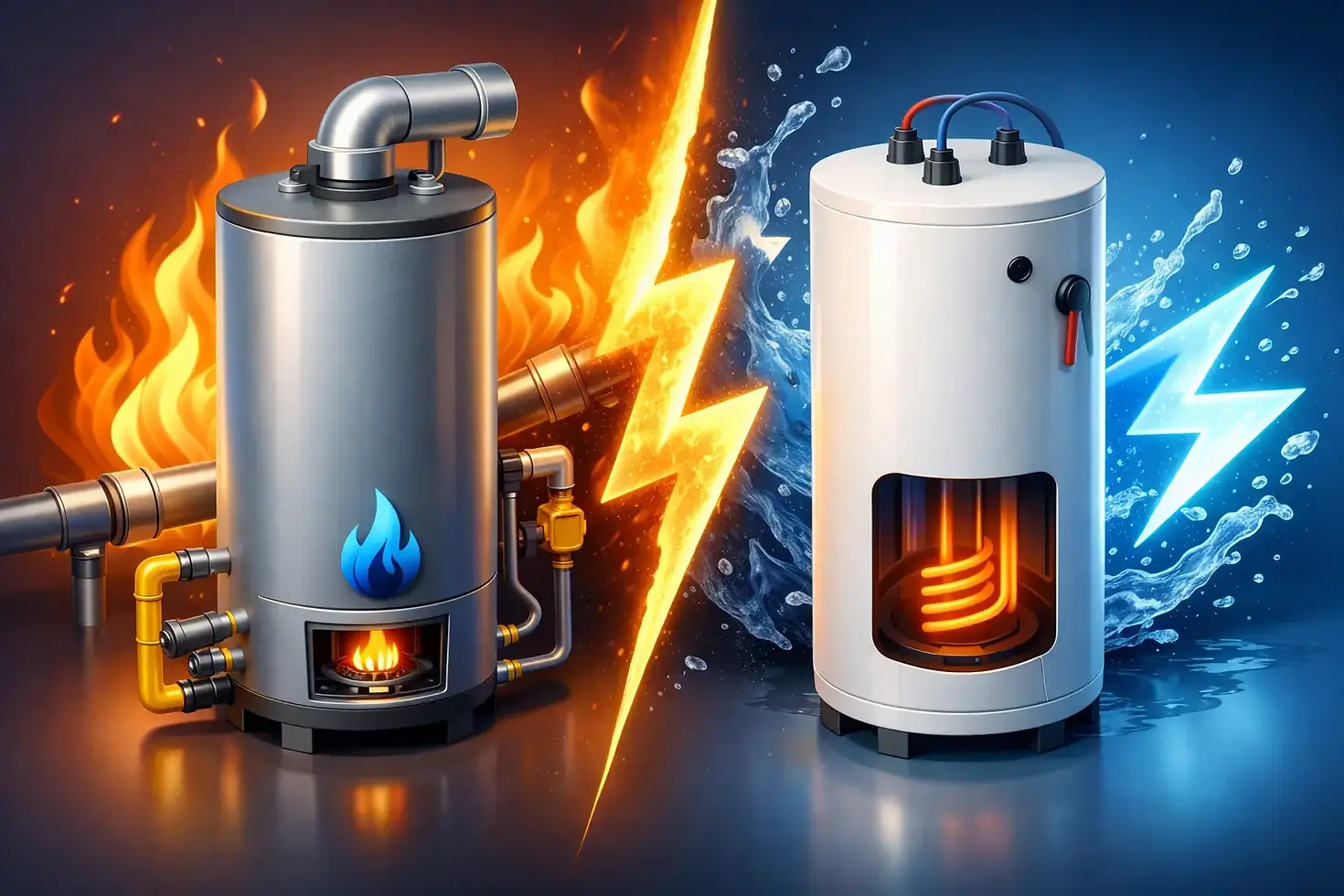
A gas water heater uses a burner under the tank and vents combustion gases outside. An electric model uses heating elements inside the tank and does not need a flue or gas line. That basic difference affects installation, operating cost, safety considerations, and recovery time.
For a larger household, recovery time matters a lot. If several people shower back-to-back, plus the dishwasher is running, a gas model often keeps up better. For a smaller household with lower demand, an electric tank may do the job just fine without the added venting and gas connection requirements.
Upfront cost vs monthly cost
This is where many homeowners get tripped up. The unit price and the installed price are not the same thing.
Electric water heaters are often less expensive to buy, and installation can be more straightforward if the home is already set up for one. There is no venting system, no burner assembly, and no gas piping to deal with. If you are replacing an older electric unit with a similar model, the job can be pretty direct.
Gas water heaters often cost more to install because they may require proper venting, a gas line connection, sediment trap work, shutoff updates, or code-related adjustments. In some homes, especially older ones, bringing everything up to current safety standards changes the price more than the tank itself.
On monthly utility bills, gas is often less expensive than electric in many areas, but not always by enough to offset a more expensive install right away. If you plan to stay in the home for years, a higher upfront cost may still make good sense. If you are watching immediate spending closely, electric can be attractive.
That is why honest advice matters. A cheap install is not cheap if it leaves you with poor performance or code issues. On the other hand, paying for a more complex gas setup you do not really need is not smart either.
Which one gives you more hot water?
In a practical, everyday sense, gas usually wins on speed. Gas tanks tend to recover faster after hot water is used, which means they can reheat a fresh supply sooner. For busy households, that can be the difference between a normal morning and the last person getting a lukewarm shower.
Electric models generally recover more slowly. That does not mean they are bad. It means sizing matters more. If the tank is too small for the household, you will feel it. If it is sized correctly and your usage is moderate, many families are perfectly happy with electric.
Best fit for larger families
If you have multiple bathrooms, teenagers, frequent laundry, or heavy morning demand, gas often feels more forgiving. It can keep pace better when everyone wants hot water at roughly the same time.
Best fit for lighter demand
If it is one or two people in the house, or your hot water use is spread out through the day, an electric water heater may meet your needs without much downside.
Safety and reliability matter too
A gas water heater has more moving parts and more safety considerations. You have combustion, venting, ignition, and gas connections. When installed and maintained correctly, gas water heaters are common and dependable. But they do require proper attention. Problems like venting issues, burner trouble, or gas leaks are not things to guess at.
Electric water heaters avoid combustion entirely, which makes them simpler in that respect. There is no pilot, no burner, and no exhaust vent. For some homeowners, that simplicity is a real advantage.
But simple does not mean problem-free. Electric units can still have failed elements, thermostat issues, wiring problems, or tank leaks. Either type can leave you without hot water if it is installed poorly or neglected too long.
One thing many homeowners do not consider is power outage performance. A standard gas tank can sometimes continue heating water during an electrical outage if the specific model does not rely heavily on powered controls, but many newer systems still use electric components. An electric water heater, of course, depends fully on power. If outage resilience matters in your area, it is worth asking about the exact model, not just the fuel type.
Installation in Metro Atlanta homes
Homes around Decatur, Lithonia, Conyers, and nearby communities are a mix of older and newer construction. That matters. The best water heater on paper may not be the best fit for the way your home is built.
If your house already has a gas water heater with proper venting in place, replacing it with another gas model may be the most practical path. If the home is set up for electric and adding gas would mean new piping, venting changes, and a bigger installation bill, electric may be the smarter choice.
Code compliance also matters. Water heaters are not just plug-and-play appliances. Expansion tanks, drain pans, shutoff valves, venting, earthquake or strapping requirements where applicable, and temperature and pressure relief discharge details all need to be handled correctly. That is one reason homeowners appreciate working with a plumber who will explain the real job instead of tossing out a low number and figuring out the rest later.
Maintenance and lifespan
If you want the longest life out of either type, maintenance helps. Tanks collect sediment over time, especially depending on water conditions. That sediment can reduce efficiency and shorten the life of the unit.
Gas models may need attention to the burner and venting components. Electric models may need element or thermostat replacement over time. In general, electric units are often seen as a bit simpler to service internally, while gas units can require more component-specific troubleshooting.
As for lifespan, there is overlap. A well-installed, properly maintained water heater of either type can last many years. Poor installation, skipped maintenance, or hard-use conditions can shorten that timeline fast.
Gas water heater versus electric for resale and long-term plans
If you are planning to stay put for a while, think beyond this month's invoice. Utility costs, hot water demand, maintenance expectations, and future repairs all matter. A choice that is slightly more expensive today might be the better value over ten years.
If you expect to sell soon, you may lean toward the option that fits the home's existing setup and keeps costs under control without creating complications. Buyers generally like reliable hot water more than they care about a fuel-type debate. The main thing is that the system is safe, properly installed, and sized right.
So which one should you choose?
If your household uses a lot of hot water and your home already has gas service in place, gas is often a strong choice. It usually offers faster recovery and can be more economical to operate over time.
If you want simpler installation, fewer combustion-related concerns, or your home is already wired for electric with no practical gas setup nearby, electric may be the better fit. It can be a very solid option, especially for smaller households or straightforward replacements.
The truth is, this decision is less about winning an argument and more about matching the heater to the house. That is where a local, no-pressure plumber can save you money and headaches. A good recommendation should account for your family's hot water use, your home's current plumbing and utility layout, and the real installed cost, not just the box at the supply house.
If you are weighing a replacement and want plain talk instead of a sales pitch, that is exactly how we believe it should be handled. The best water heater is the one that does its job well, fits your home correctly, and does not leave you paying for surprises later.
Hot water is one of those things nobody wants to think about until it is gone. If you are at the point of choosing, take a minute to look at how your house actually works, not just what sounds better on paper. That usually leads to the right answer.


Comments